Eye Movement Desensitization and Reprocessing (EMDR) therapy has emerged as a powerful and widely recognized treatment for trauma and post-traumatic stress disorder (PTSD). Its innovative approach to processing distressing memories offers profound healing for many. However, like any potent therapeutic intervention, EMDR is not without its potential risks and serious side effects. While the vast majority of clients experience positive outcomes, a comprehensive understanding of the less common but significant dangers is crucial for anyone considering this therapy. This article aims to demystify these potential adverse reactions, offering a balanced perspective that empowers individuals to make informed decisions about their mental health journey. By shedding light on the complexities, we can foster a more prepared and resilient approach to trauma recovery.
Acknowledging EMDR’s Efficacy for Trauma and PTSD
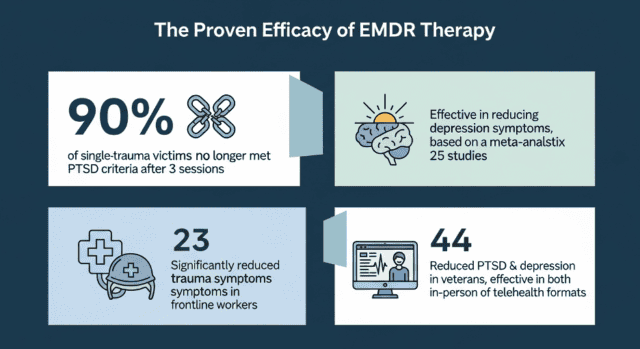
EMDR therapy’s reputation is built upon its remarkable success in treating individuals grappling with the aftermath of traumatic experiences. Its primary target is often PTSD, a debilitating condition characterized by intrusive memories, avoidance, negative alterations in cognitions and mood, and hyperarousal. The therapy’s effectiveness in this domain is well-documented. For instance, a study indicated that 90% of single-trauma victims no longer met the criteria for PTSD after just three 90-minute EMDR sessions, highlighting its potential for rapid and significant impact. Beyond PTSD, a meta-analysis of 25 studies found EMDR to be effective in reducing depression symptoms, with particularly strong effects in severe cases. Furthermore, EMDR has shown promise in helping frontline workers cope with stressful experiences, as demonstrated by a 2024 study using an early intervention video therapy approach that significantly reduced trauma symptoms in the treatment group. Its adaptability is further evidenced by its effectiveness in both in-person and telehealth formats for veterans, showing reductions in PTSD and depression symptoms. This robust evidence base underscores why EMDR is often a primary consideration for those seeking relief from deeply entrenched psychological distress.
The Crucial Need to Understand Potential Serious Side Effects and Risks
While EMDR therapy holds immense promise, it is imperative to approach it with eyes wide open to its potential downsides. The very mechanisms that make EMDR effective—deep reprocessing of traumatic memories—can, in some instances, lead to challenging and even distressing experiences. Ignoring or downplaying these potential dangers would be a disservice to individuals seeking help. Understanding the full spectrum of possible outcomes, from common temporary discomforts to more serious risks, is not about instilling fear but about fostering preparedness, enabling informed consent, and empowering the client to actively participate in their healing journey. This knowledge allows individuals to better navigate the therapeutic process, communicate effectively with their therapist, and make judicious choices about their mental health treatment options.
Empowering Readers to Make Informed Decisions About EMDR Therapy
The ultimate goal of discussing EMDR therapy dangers is to empower you, the reader, to make informed decisions. Therapy is a deeply personal journey, and choosing the right approach is paramount. Understanding potential risks allows you to engage in a more meaningful dialogue with potential therapists, ask pertinent questions, and advocate for your needs. It enables you to weigh the benefits against the potential challenges and determine if EMDR aligns with your specific circumstances, resilience, and therapeutic goals. This article serves as a guide, equipping you with the knowledge to approach EMDR with both hope and a healthy dose of prudence, ensuring you are an active and informed participant in your own recovery.
Understanding EMDR: Core Principles and the Adaptive Information Processing Model
To grasp the potential dangers of EMDR, one must first understand its foundational principles and the theoretical framework that guides its application. This therapy is not a passive experience; it is an active, guided process designed to help the brain resolve traumatic memories that have become maladaptively stored.
What is EMDR Therapy? (Eye Movement Desensitization and Reprocessing)
EMDR therapy, an acronym for Eye Movement Desensitization and Reprocessing, is a unique psychotherapy approach developed by Dr. Francine Shapiro. It’s designed to alleviate distress associated with disturbing memories. Unlike traditional talk therapy, EMDR focuses on reprocessing these memories by guiding the client’s eye movements, or using other forms of bilateral stimulation, while they briefly focus on the distressing memory. The goal is to help the brain process these memories in a way that reduces their emotional intensity and negative impact.
The Role of Bilateral Stimulation (Eye Movements, Taps, Tones)
The hallmark of EMDR is bilateral stimulation (BLS). This involves alternating sensory input delivered to both sides of the body, most commonly through eye movements. As the client focuses on a traumatic memory, the therapist guides their eyes to follow the therapist’s moving finger or a light bar from side to side. Alternatively, BLS can be administered through rhythmic tapping on the client’s knees or hands, or through auditory tones alternating between each ear. This alternating stimulation is believed to mimic natural brain processes that occur during REM (Rapid Eye Movement) sleep, a state associated with memory processing and emotional regulation. The repetitive nature of BLS is thought to help the brain access and reprocess distressing material in a more adaptive manner.
How EMDR Aims to Reprocess Traumatic Memories
The core aim of EMDR therapy is to help the brain effectively “digest” and integrate traumatic memories. When a traumatic experience occurs, the brain’s normal information processing system can become overwhelmed. This can lead to the memory being stored in an unprocessed or “frozen” state, where it retains its original emotional intensity, sensory details, and beliefs associated with the trauma. When triggered, these unprocessed memories can flood the individual’s present experience, leading to symptoms of PTSD, such as flashbacks and intense emotional distress. EMDR facilitates the reprocessing of these memories, aiming to desensitize the client to the distressing aspects and allow for their integration into a broader, more adaptive memory network.
The Adaptive Information Processing (AIP) Model: Theory Behind Healing
The theoretical underpinnings of EMDR therapy are largely explained by the Adaptive Information Processing (AIP) model. This model posits that the brain possesses an innate capacity to heal and process experiences. However, the intense emotional and cognitive load of a traumatic event can disrupt this natural mechanism. According to the AIP model, traumatic memories are stored with the original disturbance, including the emotions, physical sensations, and beliefs present at the time of the trauma. EMDR therapy aims to activate the brain’s information processing system, allowing these maladaptively stored memories to be reprocessed, updated, and integrated, much like ordinary memories. This integration leads to a reduction in distress and a resolution of symptoms.
The Potential for Overwhelm When Processing Traumatic Memories
While the goal of EMDR is healing, the process of confronting and reprocessing traumatic memories can, by its very nature, be intense. As the client engages with distressing material, particularly in the initial stages or when delving into particularly potent memories, there is a risk of temporary overwhelm. This overwhelm can manifest as an intensification of negative emotions, a surge of distressing thoughts, or even a feeling of being flooded by the trauma. This is why preparatory phases and the presence of a skilled therapist are crucial—to ensure the client has the necessary coping mechanisms and support to navigate these potentially challenging moments without becoming destabilized.
Common but Manageable Side Effects: What to Expect During and After Sessions
It’s important to distinguish between temporary, manageable side effects and more serious risks. Many individuals undergoing EMDR therapy experience some level of temporary discomfort as their brain works through difficult material. Awareness of these common experiences can normalize them and reduce anxiety.
Heightened Emotional Responses: Increased Sadness, Anxiety, Anger
As EMDR therapy progresses, clients may experience a temporary increase in negative emotions. This can include heightened feelings of sadness, anxiety, or anger related to the traumatic experiences being processed. This surge in emotion is often a sign that the brain is actively engaging with the material and bringing it to the surface. It is typically transient, with the intensity decreasing as the memory is processed.
Physical Side Effects: Headaches, Dizziness, Fatigue, Body Sensations
Some clients report experiencing physical side effects following EMDR sessions. These can include headaches, dizziness, fatigue, or unusual body sensations. These symptoms are generally mild and temporary, often resolving within a day or two. They can be a byproduct of the brain’s intense processing activity or a physical manifestation of the emotional material being released.
Sleep Disturbances: Vivid Dreams and Nightmares Related to Trauma Content
Sleep disturbances are another common side effect. Clients may experience more vivid dreams or nightmares that directly relate to the traumatic memories they are working on. This is often a manifestation of the brain attempting to process the material during sleep. While unsettling, these dreams can also be viewed as the brain’s way of working through the trauma, and they tend to subside as the memory becomes more integrated.
Temporary Symptom Flare-ups: Acknowledging that Processing Can Intensify PTSD Symptoms
It is not uncommon for symptoms of PTSD to temporarily intensify during EMDR therapy. This phenomenon, sometimes referred to as “worse before better,” can involve a temporary increase in intrusive thoughts, flashbacks, or hyperarousal. This flare-up is often a precursor to significant improvement, indicating that the processing is happening, albeit with a transient increase in distress.
The Expectation of Post-Session Processing and Emotional Fluctuations
EMDR therapy doesn’t always end when the session does. Many clients report continued processing of memories and emotions in the hours and days following a session. This can lead to emotional fluctuations, where moments of clarity and relief are interspersed with periods of sadness, fatigue, or heightened awareness of the trauma. This post-session processing is a normal part of the healing journey.
The Serious Risks: Diving Deeper into Potential Dangers of EMDR Therapy
While manageable side effects are common, it’s crucial to acknowledge that EMDR therapy can, in some circumstances, pose more serious risks if not administered correctly or if the client’s presentation requires different interventions.
Retraumatization and Emotional Overwhelm:
One of the most significant dangers is the risk of retraumatization. This occurs when the therapeutic process inadvertently re-exposes the client to the trauma in a way that re-engages the original distress and fear without adequate containment or processing. If a therapist pushes too quickly or uses techniques inappropriately, a client can feel overwhelmed, re-experiencing the trauma with its original intensity. This can be deeply damaging, reinforcing feelings of helplessness and worsening symptoms. As Francine Shapiro herself has noted, if EMDR is not used appropriately, patients might be retraumatized or even left immobilized.
Dissociation and Dissociative Reactions:
Dissociation is a common response to trauma, involving a disconnection from one’s thoughts, feelings, memories, or sense of self. While EMDR aims to integrate traumatic memories, the process can sometimes trigger dissociative episodes, especially in individuals with a history of complex trauma or pre-existing dissociative tendencies. If dissociation becomes severe or prolonged during therapy, it can lead to a feeling of unreality, depersonalization, or a loss of connection with the present moment, making further processing difficult and potentially re-traumatizing.
False Memory Creation and Suggestibility:
A complex and sensitive risk associated with any memory-focused therapy is the potential for the creation or alteration of memories. While EMDR does not implant memories, the intense focus on recall and the therapeutic interaction can, in rare cases, lead to a client incorporating suggestions or forming beliefs about their past that are not accurate. This is particularly concerning if the therapist is not highly skilled in maintaining neutrality and allowing the client’s own memory to surface without undue influence. The risk is higher when dealing with individuals who are highly suggestible or when working with memories that are already fragmented or uncertain.
Exacerbation of Pre-existing Mental Health Conditions:
EMDR therapy is primarily designed for trauma-related conditions. However, individuals seeking therapy often have co-occurring mental health issues. If EMDR is pursued without careful assessment, it could potentially exacerbate pre-existing conditions such as severe depression, anxiety disorders, or borderline personality disorder. The intense emotional processing required by EMDR might destabilize an individual whose system is already fragile or struggling with complex emotional regulation challenges.
Unpacking the “Why”: Neurobiological Factors Behind EMDR Dangers
Understanding the neurobiological underpinnings of EMDR helps to illuminate why certain dangers can arise. The therapy directly engages with the brain’s memory and emotional processing centers.
Overloading Working Memory and Cognitive Capacity:
The process of recalling a traumatic memory while simultaneously engaging in bilateral stimulation can place a significant demand on working memory and cognitive capacity. Working memory is the system that holds and manipulates information temporarily. When this system is overloaded with both the distressing content of the memory and the demands of the bilateral stimulation, it can lead to a breakdown in processing. This overload can manifest as confusion, a feeling of being stuck, or an inability to integrate the material, potentially contributing to overwhelm or feelings of being retraumatized.
Intense Emotional and Cortical Activation:
Traumatic memories are often associated with heightened emotional and physiological arousal, involving areas of the brain like the amygdala (involved in fear processing) and the insula (involved in interoception and emotional awareness). EMDR therapy aims to reduce this over-activation by facilitating adaptive processing. However, the initial engagement with these highly charged memories can lead to intense emotional and cortical activation. Without sufficient grounding and regulation techniques, this activation could potentially destabilize the client, making them feel acutely vulnerable and overwhelmed by the raw emotional and physiological experience.
Who Should Exercise Extreme Caution? Contraindications and Risk Factors for EMDR
While EMDR can be beneficial for many, certain conditions and individual factors necessitate extreme caution or may contraindicate its use. A thorough assessment by a qualified therapist is paramount to identify these risks.
Complex Trauma (C-PTSD) and Pre-existing Dissociative Disorders:
Individuals with Complex Post-Traumatic Stress Disorder (C-PTSD), often resulting from prolonged or repeated trauma, and those with pre-existing dissociative disorders (such as Dissociative Identity Disorder or severe dissociative tendencies) require specialized care. The extensive history of trauma and ingrained coping mechanisms like dissociation can make EMDR processing particularly challenging. Without highly specialized training and careful pacing, these individuals are at a greater risk of retraumatization and severe dissociative reactions.
Insufficient Grounding Techniques and Emotional Regulation Skills:
A critical factor for successful EMDR is the client’s ability to ground themselves and regulate their emotions when distress arises. If an individual lacks adequate coping skills, grounding techniques, or a strong sense of self-awareness to manage intense emotions or dissociative urges, EMDR processing can become destabilizing. The therapist must ensure these foundational skills are in place before proceeding with deep memory reprocessing.
Active Substance Abuse, Psychotic Disorders, or Severe Instability:
EMDR therapy is generally not recommended for individuals who are actively struggling with substance abuse, have active psychotic disorders (like schizophrenia or bipolar disorder with psychotic features), or are experiencing severe emotional or psychiatric instability. The intense emotional and cognitive processing involved in EMDR could potentially trigger or exacerbate these conditions, leading to harmful outcomes. Stable management of these issues is usually a prerequisite for considering EMDR.
Certain Medical Conditions:
While less common, certain medical conditions warrant caution. Individuals with a history of seizures, severe head injuries, or uncontrolled epilepsy may need to consult with their medical doctor. The bilateral stimulation, particularly rapid eye movements, could potentially pose a risk in these specific cases. A thorough medical and psychiatric evaluation is essential to rule out any contraindications.
Safeguarding Your Experience: Mitigation Strategies and the Critical Role of Therapist Competence
Navigating the potential dangers of EMDR therapy is significantly influenced by proactive measures and the expertise of the therapist. Ensuring a safe and effective experience relies on a combination of therapist skill and client engagement.
The Non-Negotiable Role of a Highly Skilled and Certified Therapist
The most critical safeguard in EMDR therapy is the competence of the therapist. A therapist must possess specific EMDR training and certification, along with extensive experience, particularly in working with complex trauma. They must be adept at assessing readiness for processing, pacing the therapy appropriately, implementing containment strategies, and knowing when to pause or modify techniques. A skilled therapist will prioritize the client’s stability and safety above all else, ensuring that the processing happens in a controlled and beneficial manner. Always verify your therapist’s credentials and experience.
Comprehensive Pre-Processing Preparation and Stabilization Work
Before delving into the reprocessing of traumatic memories, a crucial phase of preparation is essential. This involves building a strong therapeutic alliance, educating the client about EMDR, and developing robust coping and grounding techniques. This stabilization work equips the client with the internal resources needed to manage any distress that may arise during processing. It ensures that the client has a safe “place” to return to mentally and emotionally if they feel overwhelmed.
Empowering Communication During Sessions
Active and open communication between the client and therapist is vital. Clients should feel empowered to voice any discomfort, unusual sensations, or overwhelming emotions they experience during a session. Therapists rely on client feedback to gauge the pace of processing and adjust their interventions accordingly. Don’t hesitate to say “stop,” “slow down,” or express that you are feeling overwhelmed. Your self-advocacy is a key component of safe therapeutic practice.
Post-Session Self-Care and an Aftercare Toolkit
Engaging in self-care after an EMDR session is paramount. This might include activities that promote relaxation and grounding, such as spending time in nature, engaging in gentle exercise, journaling, or practicing mindfulness. Having an “aftercare toolkit”—a plan developed with the therapist outlining specific self-soothing strategies—can be invaluable for managing any emotional fluctuations or temporary symptom flare-ups that may occur between sessions.
When EMDR Isn’t the Only Answer: Considering Alternative Therapeutic Approaches
While EMDR therapy is a powerful tool, it is not a one-size-fits-all solution. For individuals who present with significant contraindications, or who may find EMDR too intense, several other evidence-based therapies can effectively address trauma and its related mental health conditions.
Trauma-Focused Cognitive Behavioral Therapy (TF-CBT)
TF-CBT is a structured therapy that helps children, adolescents, and their parents process trauma. It combines trauma-sensitive interventions with cognitive-behavioral principles, focusing on skills such as relaxation, affect regulation, and cognitive processing of the trauma narrative.
Somatic Experiencing (SE) for Body Sensations and Trauma Release
Somatic Experiencing, developed by Dr. Peter Levine, focuses on the body’s response to trauma. It helps individuals release stored traumatic energy held within the body by gently guiding them to notice and process bodily sensations associated with the traumatic experience, thereby facilitating the completion of self-protective motor responses that were interrupted during the traumatic event.
Internal Family Systems (IFS) for Working with Parts of Self
Internal Family Systems (IFS) views the psyche as comprised of various “parts” or sub-personalities, some of which may carry the burdens of trauma. IFS therapy focuses on healing these wounded parts by fostering a compassionate internal system, led by the core “Self,” which is seen as inherently calm, curious, and courageous.
Accelerated Resolution Therapy (ART) and Other Trauma-Processing Components
Accelerated Resolution Therapy (ART) is another approach that utilizes visualization techniques to help clients process traumatic memories. Like EMDR, it aims to desensitize the client to distressing images and emotions associated with trauma. Other therapies might incorporate specific techniques for trauma processing, such as prolonged exposure or cognitive processing therapy, depending on the client’s needs and presentation.
Other Therapeutic Approaches: Mindfulness, Neurotherapy, Psychotherapy Techniques
Mindfulness-based therapies can equip individuals with skills to manage present-moment awareness and emotional reactivity, which can be supportive for trauma recovery. Neurofeedback and other neurotherapy techniques aim to retrain brainwave patterns associated with stress and trauma. Standard psychodynamic or humanistic psychotherapies can also provide a supportive environment for exploring the impact of trauma and developing healthier coping mechanisms.
Conclusion
EMDR therapy represents a significant advancement in the treatment of trauma and PTSD, offering hope and healing for countless individuals. Its effectiveness, particularly for single-incident trauma, is well-established, and its reach continues to expand. However, as this article has explored, EMDR is a potent intervention, and like any powerful tool, it carries potential risks. Understanding the spectrum of potential side effects, from manageable emotional surges and physical discomforts to more serious concerns like retraumatization and dissociation, is not about deterring individuals from seeking help, but about empowering them with knowledge.
The critical takeaway is that a safe and effective EMDR experience hinges on several key factors: the competence and ethical practice of the therapist, the thoroughness of pre-processing preparation and stabilization work, and the client’s active engagement and self-advocacy. For those with complex trauma, pre-existing dissociative disorders, or severe instability, extreme caution is warranted, and alternative therapeutic approaches may be more suitable.
Ultimately, the journey of trauma recovery is deeply personal. By arming yourself with comprehensive information, seeking out highly qualified professionals, and prioritizing your safety and well-being, you can navigate the complexities of EMDR therapy or other trauma treatments with confidence. The goal is not to avoid healing, but to approach it with informed prudence, ensuring that your path to recovery is as safe, effective, and empowering as possible.

Digital Health Buzz!
Digital Health Buzz! aims to be the destination of choice when it comes to what’s happening in the digital health world. We are not about news and views, but informative articles and thoughts to apply in your business.