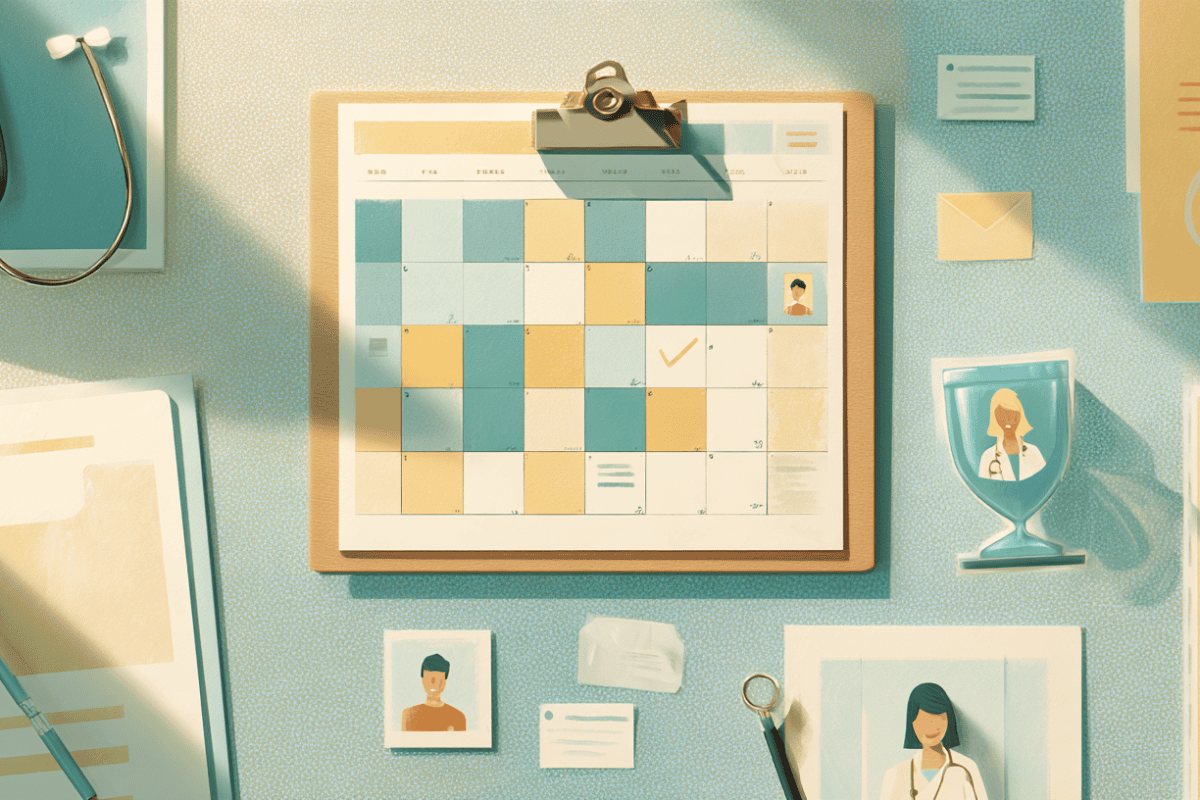
A worker sits down for a pre-employment medical, answers a set of health questions, and software produces a recommendation about whether they are fit for the job. No clinician reviews the file, and no one can fully explain how the result was reached.
It sounds far-fetched, yet AI is already moving into the health checks that decide who gets hired, and the technology is running ahead of the rules.
The evidence suggests that handing over the final call is a mistake.
Why AI is showing up in workforce health checks
Artificial intelligence has already reached recruitment, and workforce health is next. Tools now promise to help triage pre-employment medicals, identify potential fatigue risks and streamline the review of health assessment data faster than traditional manual processes.
The appeal is obvious. Employers want speed, lower costs, and consistent decisions across every site and shift.
Nowhere is the pull stronger than in safety-sensitive industries. In sectors like mining, construction, and transport, where a single lapse can cause serious harm, the promise of catching risk earlier is genuinely attractive. That is also where the cost of getting a decision wrong runs highest, for the worker and the business alike.
Researchers have noticed the shift too. A 2026 paper published in Occupational Medicine describes human and AI interaction as ‘the new frontier’ of occupational health, which tells you how quickly this is moving from theory into daily practice.
The question is not simply whether the technology works. It is how much weight should be placed on it when someone’s livelihood is on the line.
What the research says about trusting the algorithm
In July 2026, a paper by Noer Triyanto Rusli, published in Columbia University’s Voices in Bioethics, argued that occupational physicians should not rely solely on AI when deciding whether a worker is fit for a role.
Rusli’s point is not that AI is useless. It is that a machine cannot weigh the human context these decisions demand, such as a modified schedule, an ergonomic adjustment, or whether a reasonable accommodation is possible.
Rusli argues that when an AI system cannot explain how it reached a decision, workers have little meaningful opportunity to challenge the outcome.
That is a fair test for any employer. If you cannot explain a rejection in plain English, you may have a problem.
Why automated screening can get it wrong
We have seen these risks play out before. In a widely cited 2019 study published in the journal Science, researchers found that a health algorithm used across the United States carried a serious racial bias.
The cause was subtle. The model used healthcare spending as a stand-in for how sick a patient was. Because less money had historically been spent on Black patients, the system judged them to be healthier than they really were, and quietly steered care away from people who needed it.
The scale was striking. The researchers estimated that removing the bias would have increased the share of Black patients flagged for extra care from around 18% to almost half, a reminder that a small design choice can shift thousands of real decisions.
Apply that logic to hiring and the danger is clear. An algorithm trained on flawed or incomplete data can disadvantage people with disabilities, people with chronic conditions, or anyone whose history the data represents poorly. The software looks neutral, yet the outcome is anything but.
Why a clinician should stay in the loop
Organisations often adopt new technologies because they improve efficiency. For fitness-for-work assessments, however, accountability should remain a central consideration.
The safer model keeps a qualified clinician at the centre and treats AI as an assistant, not a judge. A person reviews borderline results, applies professional judgement, and can explain the reasoning if a candidate asks. That approach combines the speed of AI with the judgement and accountability of an experienced clinician.
In practice, that is still how a thorough pre-employment medical works, with qualified medical staff weighing the results rather than acting on a score generated in isolation. Keeping that judgement with a person is the approach recommended in much of the current literature, and it gives both employers and candidates a decision they can stand behind.
Regulators are moving in the same direction. In 2026 the United States National Institute for Occupational Safety and Health published practical guidance on managing AI hazards in the workplace, reflecting growing recognition that AI in workplaces requires appropriate governance and risk management.
Questions every employer should be able to answer
Employers considering AI for hiring or health screening should be able to answer a few basic questions. Can they explain a decision in plain language? Is a qualified clinician reviewing borderline cases? Do they understand how the model was developed and tested for bias? Is there room for reasonable adjustments and individual circumstances? Can candidates request a human review? Is there a clear record of how decisions were reached? And does the process comply with privacy and anti-discrimination laws?
The bottom line
AI can make workforce health screening faster and more consistent, and that is a real benefit. The evidence simply suggests it should support a decision, not make it.
For now, the fairest and safest approach keeps people in charge of judgements that shape people’s lives. Employers who keep qualified people responsible for final decisions are more likely to build a hiring process that is fair, transparent and defensible.
Digital Health Buzz!
Digital Health Buzz! aims to be the destination of choice when it comes to what’s happening in the digital health world. We are not about news and views, but informative articles and thoughts to apply in your business.