Artificial Intelligence (AI) is rapidly reshaping modern healthcare, changing the way clinicians diagnose, treat and communicate with patients. From improving diagnostic accuracy to streamlining administrative workflows, AI is helping healthcare systems become more efficient, data-driven and patient-centred. As demand grows for faster, more personalised care, AI is no longer a futuristic concept—it’s becoming an essential part of everyday healthcare delivery.
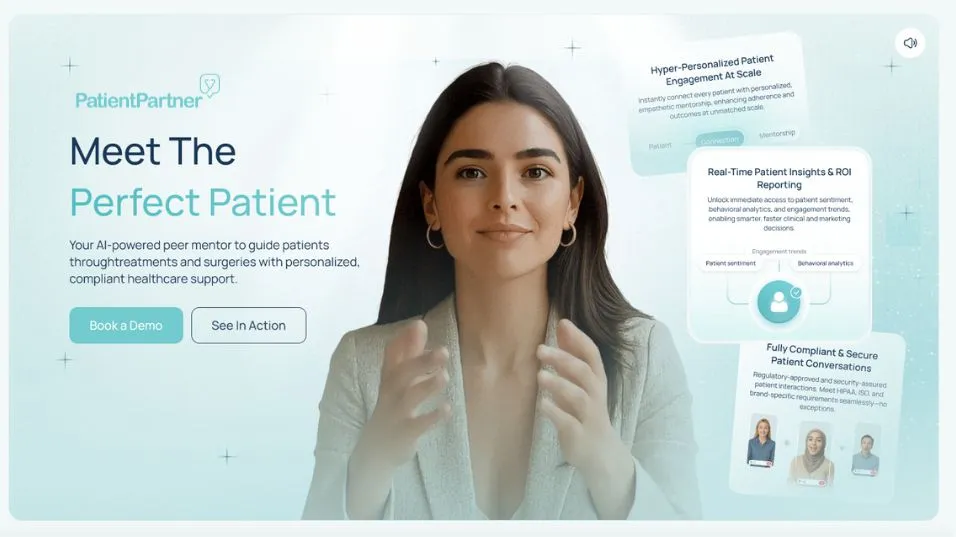
One of the most significant developments is how AI technology used for communication in healthcare is improving information flow between patients, providers and care teams. Intelligent platforms can support clearer communication, reduce delays and help ensure the right information reaches the right person at the right time, improving both patient outcomes and operational efficiency.
Smarter Diagnostics and Earlier Detection
AI is playing a critical role in diagnostics by analysing large volumes of medical data far more quickly than humans alone. In areas such as radiology, pathology and cardiology, AI systems can identify subtle patterns in scans, images and test results that may be difficult to detect with the naked eye. These technologies assist clinicians by:
- Flagging potential abnormalities for further review
- Reducing diagnostic errors and missed conditions
- Supporting earlier detection of diseases such as cancer and neurological disorders
Rather than replacing medical professionals, AI acts as a decision-support tool, helping clinicians make more informed and confident diagnoses.
Personalised Treatment and Precision Medicine
Every patient is different, and AI is helping healthcare move away from one-size-fits-all treatment approaches. By analysing genetic data, medical histories, lifestyle factors and treatment responses, AI can support personalised care plans tailored to individual patients.
This approach allows healthcare providers to:
- Predict which treatments are most likely to be effective
- Reduce trial-and-error prescribing
- Improve patient outcomes while minimising side effects
Precision medicine powered by AI is particularly valuable in oncology, chronic disease management and mental health care.
Enhancing Communication Across Healthcare Systems
Clear communication is essential in healthcare, yet it’s often disrupted by fragmented systems, manual processes and information silos. AI-driven communication technologies help bridge these gaps by automating information sharing, managing patient interactions and supporting clinical collaboration. AI-enabled tools can:
- Assist with patient triage and appointment scheduling
- Support real-time communication between care teams
- Deliver timely updates, reminders and educational content to patients
By improving consistency and clarity, AI helps reduce misunderstandings and ensures continuity of care across multiple touchpoints.
Reducing Administrative Burden for Clinicians
Administrative workload is one of the biggest challenges facing modern healthcare professionals. AI is helping ease this burden by automating time-consuming tasks such as clinical documentation, billing, data entry and reporting. With AI handling repetitive processes:
- Clinicians can spend more time with patients
- Healthcare organisations can improve efficiency and reduce costs
- Data accuracy and compliance are strengthened
This shift supports better clinician wellbeing while improving the overall patient experience.
AI in Telehealth and Remote Monitoring
The rise of telehealth has accelerated the adoption of AI in remote care. AI-powered systems can monitor patient data in real time, identifying early warning signs and alerting clinicians before conditions escalate. Common applications include:
- Monitoring vital signs for chronic disease patients
- Supporting virtual consultations with symptom analysis
- Enabling proactive care for rural and remote communities
These tools help healthcare providers deliver high-quality care beyond traditional clinical settings.
Ethical Considerations and Responsible Use
While AI offers enormous benefits, its use in healthcare must be guided by strong ethical frameworks. Issues such as data privacy, algorithm bias and transparency are critical considerations for healthcare providers and technology developers. Responsible AI implementation requires:
- Robust data security and patient consent processes
- Ongoing monitoring to minimise bias and errors
- Clear accountability for clinical decision-making
When implemented thoughtfully, AI can enhance trust rather than undermine it.
The Future of AI in Healthcare
Artificial Intelligence is not replacing healthcare professionals—it’s empowering them. By improving diagnostics, personalising treatment, strengthening communication and reducing administrative strain, AI is helping healthcare systems meet growing demands with greater precision and compassion.
As technology continues to evolve, AI will play an even greater role in delivering accessible, efficient and patient-focused care—transforming healthcare into a smarter, more connected ecosystem designed around better outcomes for everyone.

Digital Health Buzz!
Digital Health Buzz! aims to be the destination of choice when it comes to what’s happening in the digital health world. We are not about news and views, but informative articles and thoughts to apply in your business.