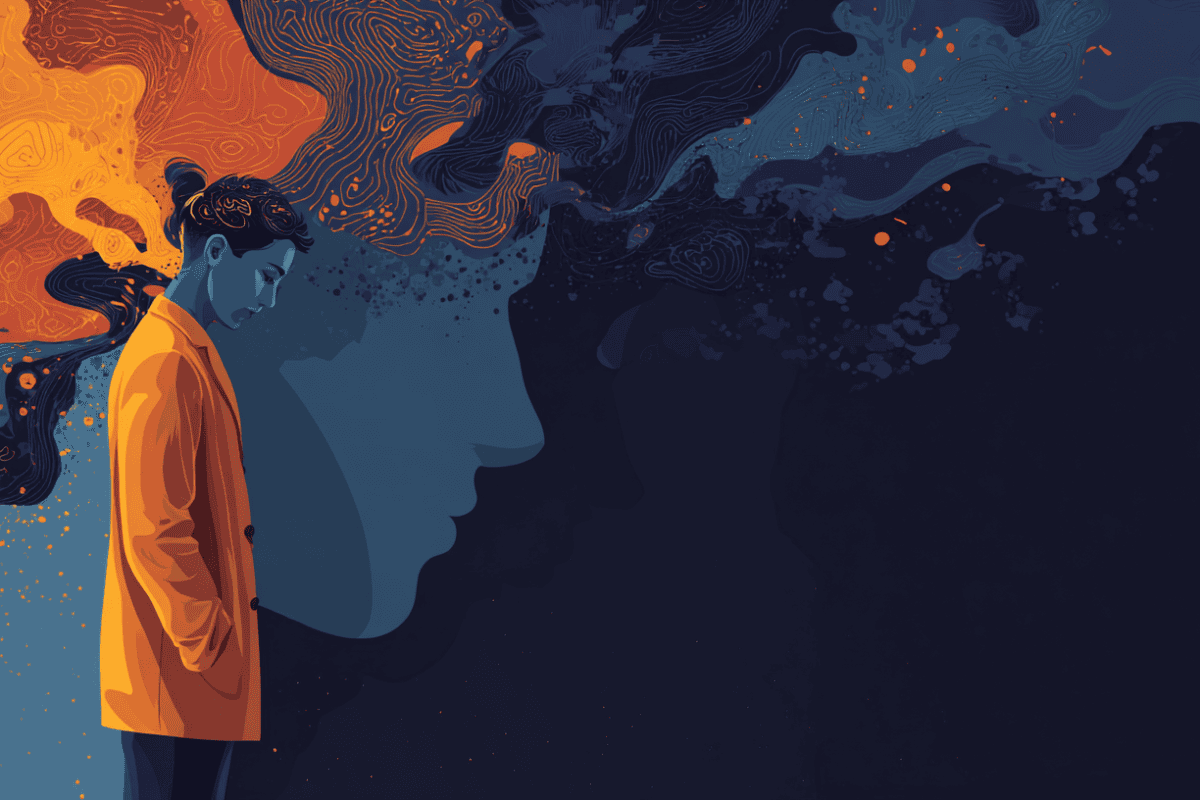
Some days, stress does not show up as one big problem. It shows up as a tight jaw in class, a racing mind at night, a stomach that feels off before a test, or the sense that your brain never fully powers down. That can be exhausting, especially when you are trying to keep up with school, friends, family, and your own expectations.
Relaxation techniques for teens are not about becoming perfectly calm or “good” at stress. They are simple ways to help your body and mind shift out of overload, even for a few minutes. Some teens find breathing exercises helpful. Others respond better to music, movement, guided imagery, or muscle relaxation. The goal is not to force yourself to relax. It is to find a few tools that make hard moments feel more manageable.
Why relaxation can help
Stress affects more than mood. It can also affect sleep, focus, irritability, headaches, muscle tension, and how easy it is to recover after a long day. Relaxation practices may help signal to the nervous system that it is safe to slow down. In plain language, that means your body gets a chance to come out of “always on” mode.
Research in teens and other groups suggests that approaches such as yoga, music-based interventions, guided imagery, and muscle relaxation may support stress relief and emotional regulation. Some studies are small or focused on specific health conditions, so the evidence is not perfect. Still, the overall picture suggests these skills can be useful, low-pressure coping tools for many young people.
Start with slow breathing
Breathing exercises are often the easiest place to begin because they do not require equipment, privacy, or much time.
Try this:
- Inhale through your nose for 4 seconds
- Exhale slowly for 6 seconds
- Repeat for 1 to 2 minutes
A longer exhale may help your body settle. You do not need to take huge breaths. In fact, softer breathing often works better than forcing deep breaths, which can sometimes make you feel more tense or lightheaded.
This can be useful before school, after an argument, or when your thoughts feel loud but you still need to function.
Relax your muscles on purpose
Stress often lives in the body. You might notice it in your shoulders, hands, forehead, or stomach before you even realize you are overwhelmed.
Progressive muscle relaxation can help. This means tensing one muscle group for a few seconds, then releasing it and noticing the difference.
You can try it in this order:
- Hands
- Shoulders
- Face
- Stomach
- Legs
Tense each area gently for about 5 seconds, then release for 10 to 15 seconds. Keep it light. The point is awareness, not strain.
Recent research on muscle relaxation found it may help lower tension and support a calmer mental state in some people, including people with anxiety. It has also been studied in app-based and clinical settings for pain and stress-related symptoms. That does not mean it works instantly for everyone, but it is a solid skill to practice.
Use music with intention
Music can be more than background noise. It can be a way to change your pace.
Some teens relax best with:
- Instrumental music
- Slower songs with steady rhythm
- Nature sounds
- A familiar playlist that feels safe and calming
A study in youth with amplified pain found that music therapy approaches were linked with anxiety reduction and relaxation. That does not mean every playlist will help in the same way, but it supports something many teens already know from experience: the right sound can shift how your body feels.
To make this less abstract, pick one playlist for winding down and one for resetting after a stressful moment. Keeping them separate can help your brain connect each playlist with a specific purpose.
Try guided imagery
Guided imagery is a relaxation skill that uses mental pictures to help the body settle. You imagine a place, memory, or scene that feels peaceful and detailed enough to hold your attention.
That could be:
- Sitting near water
- Walking through a quiet forest
- Resting in your room during a calm afternoon
- Remembering a place where you felt safe
Notice what you would see, hear, and feel there. The more sensory detail, the better. An integrative review on guided imagery and relaxation found it may help with pain and distress in some settings. The evidence is mixed across different populations, but it remains a gentle option many people can try without much pressure.
Consider gentle movement
Not every relaxation technique looks still. For some teens, moving helps more than sitting quietly.
Gentle options include:
- Stretching for 5 minutes
- Slow yoga
- Walking without your phone
- Shaking out your arms and shoulders between tasks
Research on teens’ views of yoga suggests many adolescents see it as a potentially helpful tool for stress and depression, though barriers like self-consciousness, motivation, and setting can matter. That is important. A coping skill only helps if it feels realistic enough to use.
A useful way to think about this is: calming your body does not always mean being motionless. Sometimes it means giving stress somewhere to go.
Use short phone-based tools carefully
Your phone can make stress worse, but it can also support relief when used on purpose. Short audio tracks for breathing, muscle relaxation, or meditation may help create structure when your mind feels scattered.
A recent clinical trial found that smartphone-based muscle relaxation showed benefit in a high-stress medical setting for migraine care. That study was not about everyday teen stress, so it should not be overgeneralized. Still, it suggests that simple guided relaxation delivered by phone can be practical and usable, especially when attention is limited.
It may help to consider your phone as a tool, not the technique itself. The app or audio is just there to guide you.
Pick one technique for one type of stress
Trying everything at once can make coping feel like homework. Matching a skill to a situation usually works better.
For example:
- Before a test: slow breathing
- After social stress: walking or stretching
- At bedtime: music or guided imagery
- When your body feels tense: muscle relaxation
What matters most here is consistency, not perfection. A technique you use for two minutes a few times a week may be more helpful than a “better” one you never actually try.
When extra support makes sense
Sometimes stress is not just everyday stress. When it starts affecting sleep, appetite, school, relationships, or your ability to get through the day, it may help to talk with a trusted adult, school counselor, therapist, or healthcare professional.
That is not a sign that you have failed at coping. It usually means your stress deserves more support, not more pressure.
Conclusion
Stress can make everything feel louder than it is. The good news is that relief does not always have to be dramatic. Small practices like slower breathing, music, guided imagery, movement, and muscle relaxation may help you feel more steady over time.
You do not need a perfect routine. You just need a few tools that fit your real life. Start small, notice what helps, and let that be enough for now.
Safety Disclaimer
If you or someone you love is in crisis, call 911 or go to the nearest emergency room. You can also call or text 988, or chat via 988lifeline.org to reach the Suicide & Crisis Lifeline. Support is free, confidential, and available 24/7.
Author Bio
Earl Wagner is a health content strategist focused on behavioural systems, clinical communication, and data-informed healthcare education.
Sources
- Mia T Minen. (2025). Smartphone-Based Muscle Relaxation for Migraine in the Emergency Department: A Randomized Clinical Trial. JAMA network open. https://doi.org/10.1001/jamanetworkopen.2025.34221
- Sara Trapero-Asenjo. (2025). Muscle relaxation enhances motor imagery capacity in people with anxiety: A randomized clinical trial. PloS one. https://doi.org/10.1371/journal.pone.0316723
- L A Uebelacker. (2021). Teens’ perspectives on yoga as a treatment for stress and depression. Complementary therapies in medicine. https://doi.org/10.1016/j.ctim.2021.102723
- Ashley Scheufler. (2021). Comparing Three Music Therapy Interventions for Anxiety and Relaxation in Youth With Amplified Pain. Journal of music therapy. https://doi.org/10.1093/jmt/thaa021
- Márcia Marques Dos Santos Felix. (2019). Relaxation Therapy with Guided Imagery for Postoperative Pain Management: An Integrative Review. Pain management nursing. https://doi.org/10.1016/j.pmn.2017.10.014
- Luis López-González. (2018). Development and validation of the Relaxation-Mindfulness Scale for Adolescents (EREMIND-A). Psicothema. https://doi.org/10.7334/psicothema2017.225

Digital Health Buzz!
Digital Health Buzz! aims to be the destination of choice when it comes to what’s happening in the digital health world. We are not about news and views, but informative articles and thoughts to apply in your business.